









CEAD
Training the next generation: a student’s journey combining carpentry and large-format additive manufacturing
source : CEAD
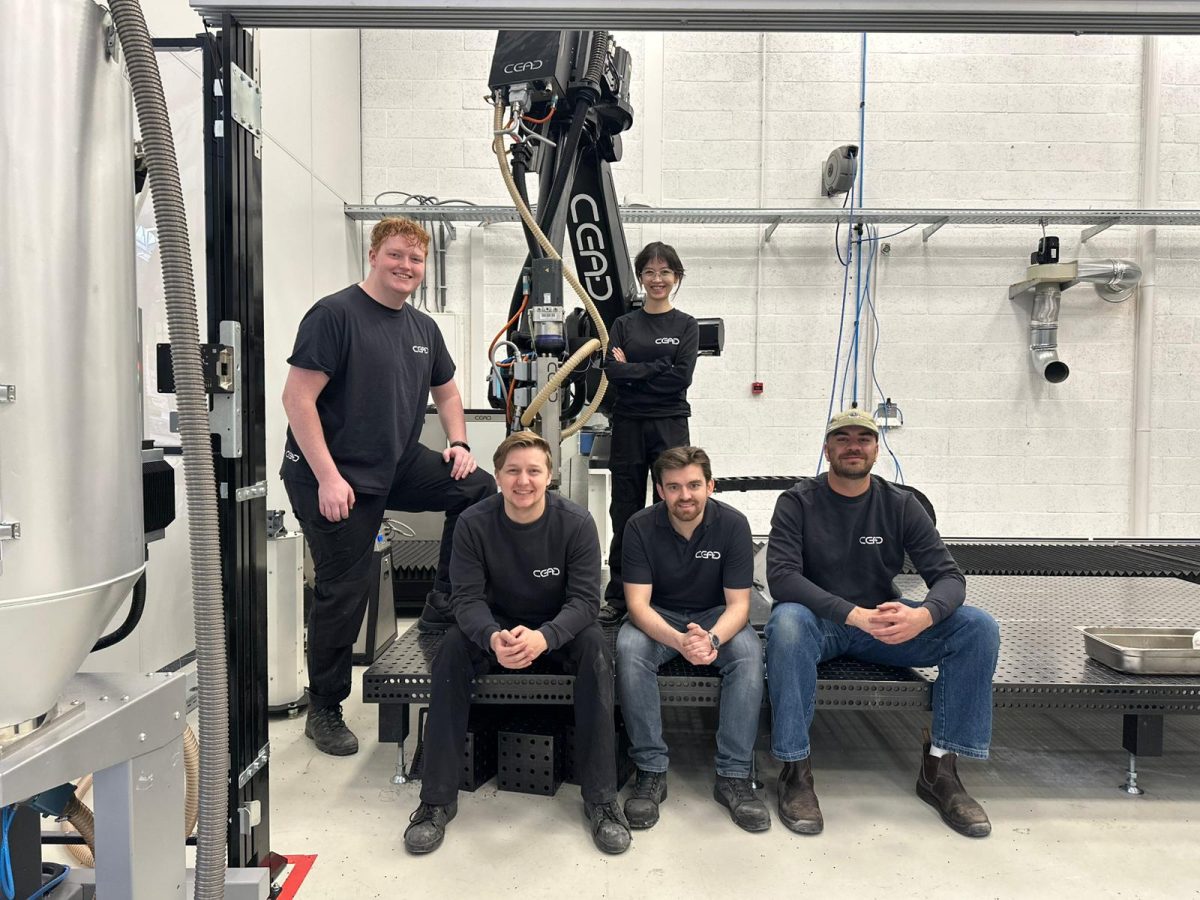
Alexia (18) at CEAD, together with production and field service engineers from CEAD
Over the past two months, we’ve had the pleasure of welcoming Alexia.
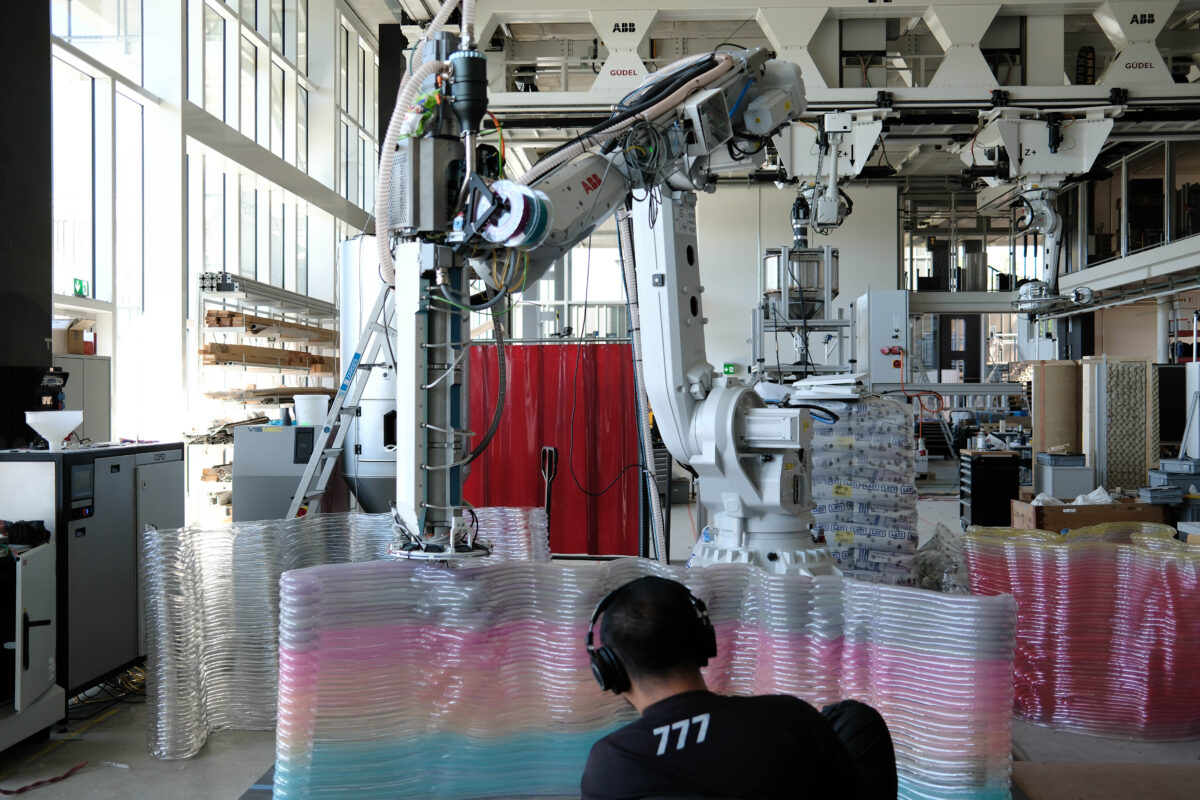
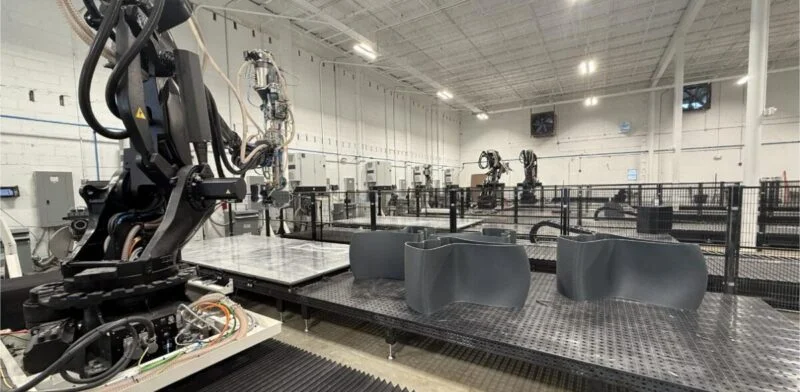
Alexia (18) studies industrial carpentry at REDU vocational school in Lapland. Her daily workspace includes both traditional woodworking tools and a CEAD Flexbot—operated under the EU co-funded 3DTY-project—with students and researchers sharing the same space.
From there, Alexia’s journey began when she noticed the research team working on the robot. Curious, she asked if she could help with some of the basics. That curiosity quickly turned into something more. With the support of her new mentor Jakob, who has been working with our Flexbot for many years, she started learning how to operate the Flexbot herself. Step by step, she explored 3D printing, CNC machining, using the software and learning how to control the robot. When the CEAD team visited REDU, she saw an opportunity and asked if she could do an internship with our product service team.
That question brought her all the way to the Netherlands.
Internship at CEAD
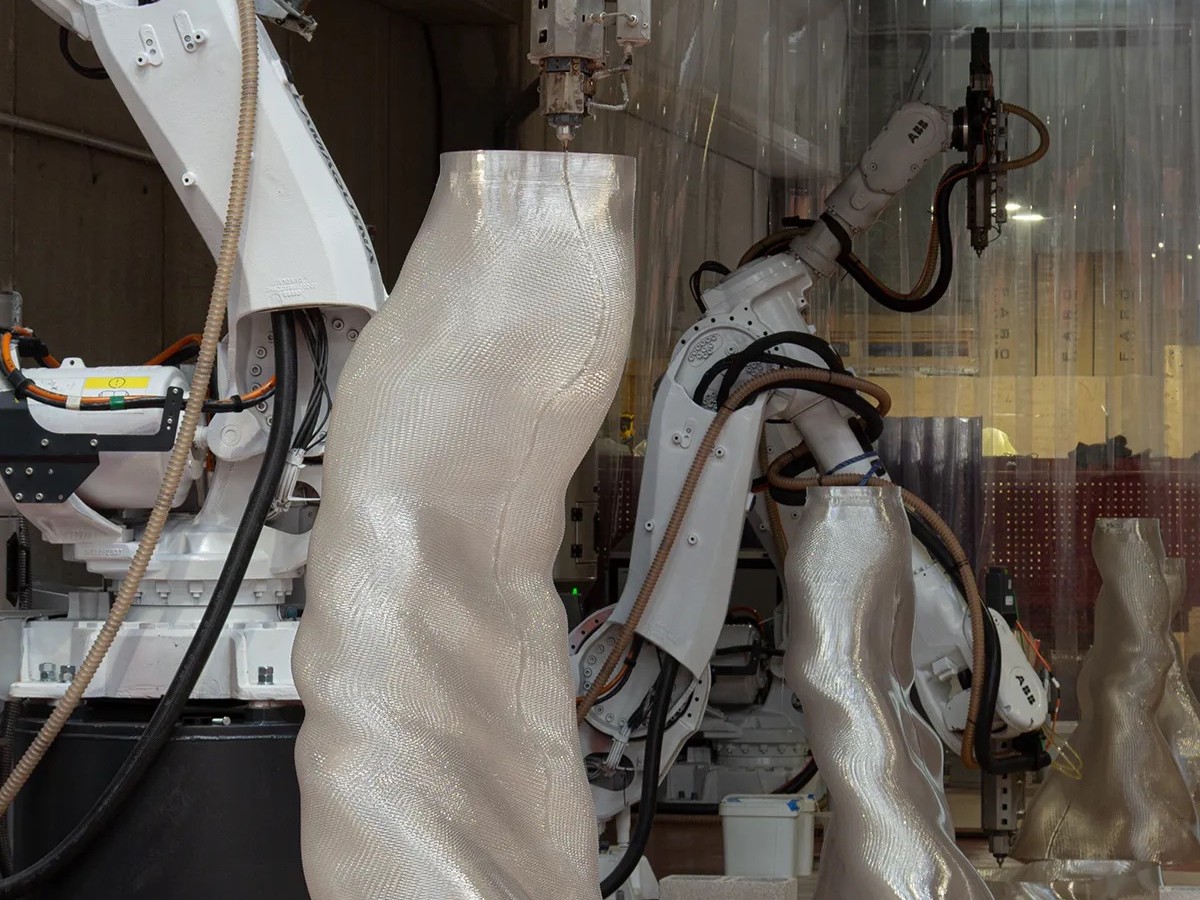
She exchanged her familiar workshop for our production floor, arriving with a strong foundation in the printing process and building on it by learning more about the mechanical side of the technology. Working alongside our production engineers, she experienced a different side of the same system she had first encountered back home. By CEAD colleagues she is described as very eager to learn: “she started working with the pellet extruder, but wanted to move to the Flexbot as quickly as possible”, says her supervisor at CEAD.
“At first I was a bit anxious to move across the world, but the people at CEAD were so happy and kind, they made me want to come to work every day”. Now, as she returns to Lapland, she takes that experience with her. Not just in terms of skill, but in how she sees her field. “Traditional crafts have been built and refined over generations, and that foundation remains incredibly valuable. New technology is not about replacing traditions, it is about adding new possibilities and working alongside each other.” With a smile, she adds: “I really enjoy 3D printing with wood-fiber materials”.
Early access to technology through vocational schools and university programs
What made the difference for Alexia was access. Given the opportunity by Jakob and being able to work with a Flexbot during her studies showed her that her future could be broader than she expected. It opened a door to new opportunities that she did not know was there and she is excited to pursue this further.
As Jakob says, “during the 3DTY-project we have built a solid foundation of LFAM skills at REDU and it is now time to integrate that technology more widely in education on the vocational level. Alexia’s journey is the first step in that direction, and we hope that there are many more like her that follow in her footsteps.”
And her story is something we see more often. As our technology is part of many research institutions and workshops around the world, more students start exploring the technology, and we’re proud of that.
Alexia, thank you for your curiosity and your courage to take that step. We are excited to see where you take it next.
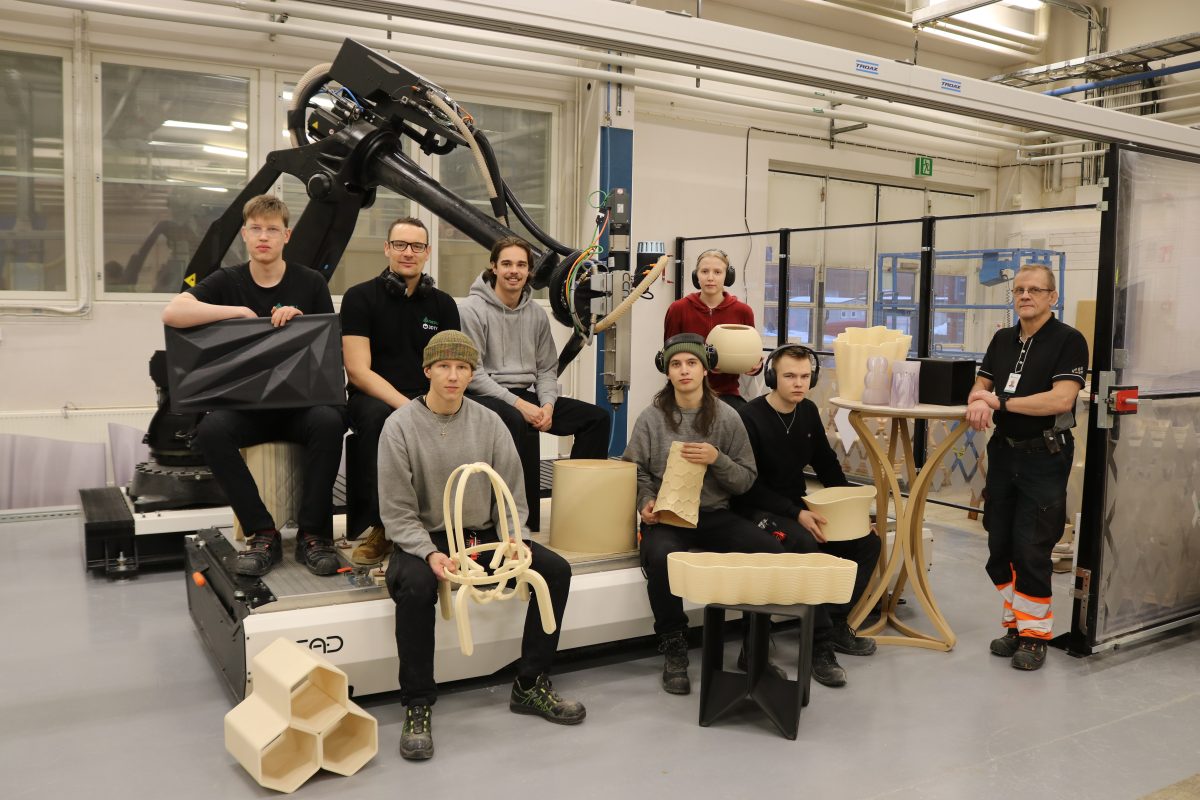
Jakob with team members and students at REDU’s Flexbot